
Vietnam Unveiled : Timeless Charm A Journey Through Culture, Cuisine, and Untamed Beauty
When you think of Southeast Asia, your mind might first wander to Thailand’s beaches or Bali’s resorts — but for true adventurers and culture seekers, Vietnam is a country that never fails to surprise. It’s a place where emerald rice paddies meet bustling cities, ancient temples hide in misty mountains, and street food reigns supreme. If you’ve ever dreamed of a destination that fuses raw natural beauty with vibrant culture and a fascinating history, Vietnam : Timeless Charm should be at the very top of your list.
Why Vietnam Captivates Every Traveller
Vietnam is a tapestry of contrasts: old and new, bustling and serene, traditional yet rapidly modernizing. You can sip strong Vietnamese coffee in a trendy Ho Chi Minh City café in the morning and find yourself kayaking through the otherworldly limestone karsts of Ha Long Bay by sunset. The country stretches over 1,000 miles from north to south, each region offering unique dialects, customs, and culinary treasures.
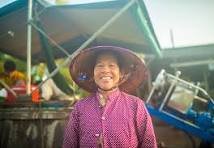
What makes Vietnam Timeless Charm truly special is its people — resilient, warm, and endlessly welcoming. Despite a turbulent past marked by colonization and war, Vietnam today is energetic and forward-looking. The Vietnamese spirit is one of pride and hospitality, and visitors quickly feel it in every small village and big city alike.
Exploring the North: Misty Mountains and Ancient Capitals Vietnam Timeless Charm
Begin your journey in Hanoi, the thousand-year-old capital where French colonial architecture rubs shoulders with ancient temples and buzzing markets. The Old Quarter is a maze of narrow streets packed with scooters, street vendors, and cafés serving up the famous egg coffee — a rich concoction of strong coffee topped with whipped egg yolk and sweetened condensed milk.
From Hanoi, it’s an easy trip to the UNESCO World Heritage site of Ha Long Bay. Cruising through this surreal seascape of emerald waters and limestone islands is an experience you won’t soon forget. Many travelers opt for an overnight boat tour, where you can swim, kayak into hidden caves, and watch the sun set behind jagged cliffs.
For those seeking adventure off the beaten path, head north to Sapa, a mountain town known for its terraced rice fields and ethnic minority villages. Trekking through the misty valleys, you’ll encounter communities like the Hmong and Dao, who still wear traditional dress and live according to ancient customs. Spend a night in a homestay to fully appreciate the warmth and simplicity of life here.
Central Vietnam : Timeless Charm Imperial Cities and Coastal Charm
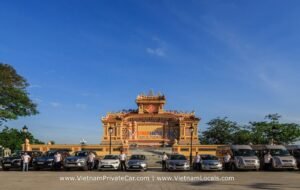
Central Vietnam is where history and natural beauty collide. The city of Hue was once the imperial capital of the Nguyen Dynasty and remains a treasure trove of palaces, pagodas, and royal tombs. Walk along the Perfume River and explore the majestic Imperial City — its moats, gates, and citadels offer a glimpse into Vietnam’s regal past.
A few hours south lies Hoi An, arguably Vietnam’s most charming town. With its lantern-lit streets, well-preserved ancient houses, and riverside cafés, Hoi An feels like a step back in time. Tailors here are famous for custom-made clothes — you can have a perfectly fitted suit or dress stitched in just 24 hours. Hoi An is also a food lover’s paradise; don’t miss local specialties like cao lau noodles and white rose dumplings.
Not far from Hoi An is Da Nang, a coastal city known for its long stretches of sandy beaches and the iconic Marble Mountains. Adventure seekers can hop on a motorbike and ride the Hai Van Pass, a winding coastal road offering breathtaking views of the ocean and jungle-clad mountains — it’s one of the most scenic drives in Vietnam.
Southern Vietnam: Urban Energy and Tropical Wonders
The south of Vietnam is anchored by Ho Chi Minh City (formerly Saigon), a dynamic metropolis where modern skyscrapers tower over French-era buildings and buzzing street markets. Visit the War Remnants Museum for a sobering look at the country’s recent history, then dive into the present-day chaos at Ben Thanh Market, where you can shop for everything from spices to souvenirs.
Street food here is legendary — don’t leave without trying banh mi, a crispy baguette sandwich stuffed with meats, pickled vegetables, and herbs. Another must-try is com tam (broken rice with grilled pork), a staple for hungry locals at lunchtime.
A few hours from the city lies the Mekong Delta, Vietnam’s lush “rice bowl.” Life here flows with the river — colorful floating markets, stilt houses, and fertile orchards define the region. Take a boat ride through narrow canals shaded by coconut palms and watch farmers and fishermen go about their daily routines. Staying overnight in a delta homestay is a beautiful way to see a softer, more tranquil side of Vietnam.
Vietnam’s Cuisine: A Flavor Adventure
Vietnamese cuisine is a major reason why travelers fall in love with this country. It’s fresh, fragrant, and full of contrast — think crunchy and soft, sweet and salty, hot and cool. Each region has its specialties, and sampling them all is half the fun.
In the north, you’ll find hearty dishes like pho bo (beef noodle soup), often eaten for breakfast on tiny plastic stools by the roadside. Central Vietnam’s cuisine is spicier and more complex; dishes like bun bo Hue (spicy beef noodle soup) pack a punch of lemongrass and chili. The south leans towards sweeter flavors — hu tieu (clear noodle soup) and fresh spring rolls are light, delicious, and perfect in the tropical heat.
Don’t miss Vietnamese coffee culture. From street corner stalls to sleek cafés, coffee is everywhere — robust and often served iced with sweetened condensed milk. If you’re feeling adventurous, try ca phe sua da (iced milk coffee) or the famous egg coffee in Hanoi.
Practical Tips for Traveling in Vietnam Timeless Charm
When to go: Vietnam’s climate varies widely by region. The north is best from October to April when it’s cool and dry. Central Vietnam shines from February to August with sunny beach days. The south is warm year-round, but November to April is the driest season.
Getting around: Vietnam’s transport network is well developed. Domestic flights connect major cities cheaply. For shorter distances, trains, buses, and motorbikes are common — and riding a motorbike in Vietnam is an adventure in itself! Be cautious, though; traffic can be chaotic for newcomers.
Visa: Many travelers need a visa to enter Vietnam. E-visas are easy to apply for online and cover stays up to 30 days.
Money: Vietnam’s currency is the Vietnamese Dong (VND). Cash is king, especially in markets and small towns, so always keep some on hand.
Respect local customs: Dress modestly when visiting temples, learn a few Vietnamese phrases (locals appreciate it!), and always ask permission before photographing people, especially in rural areas.
Why Vietnam Should Be Next on Your Bucket List
Vietnam is more than just a destination — it’s an experience that stays with you long after you’ve returned home. From the roar of scooters in Hanoi to the peaceful rhythm of the Mekong Delta, every moment here feels alive. It’s a country that balances ancient traditions with a youthful energy that’s shaping its future.
Whether you’re trekking through rice terraces, cruising past karsts, or slurping noodles at a street stall, you’ll find that Vietnam’s greatest gift is its spirit. It’s in the smiles of the people you meet, the flavors that dance on your tongue, and the landscapes that leave you speechless.
So pack your bags, learn to say xin chào (hello) and cảm ơn (thank you), and get ready to discover why Vietnam Timeless Charm is Southeast Asia’s hidden jewel waiting to be explored.