
Bali: Island of the Gods – A Journey Into Paradise
Hidden away in the vast Indonesian archipelago, Bali is a name that evokes a rush of images: emerald rice paddies cascading down lush hillsides, mystical temples shrouded in incense smoke, and beaches where turquoise waves kiss powdery sand. Nicknamed the “Island of the Gods,” Bali has long held a sacred place in the hearts of travelers, artists, and seekers of beauty and meaning.
But what truly makes Bali so magnetic? Why does this small island continue to draw millions of wanderers every year, each searching for something — whether it’s surf, spirituality, or simply a slice of tropical bliss? Let’s dive deep into Bali’s many faces — from its sacred traditions and stunning natural wonders to the vibrant modern culture that keeps the island alive and evolving.
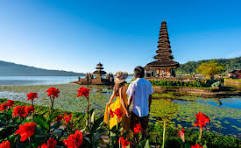
A Spiritual Heartbeat Like No Other
At the core of Bali : Island Of The Goad” allure is its spirituality. Unlike the rest of predominantly Muslim Indonesia, Bali is overwhelmingly Hindu. But Balinese Hinduism is unique — an intricate weave of Hindu deities, animist beliefs, and ancient traditions that permeate daily life. This isn’t a religion tucked away inside temples — it’s lived in the open, from dawn till dusk.
Walk through any Balinese village, and you’ll find beautifully crafted canang sari — small, square offerings made of palm leaves, flowers, rice, and incense — laid out on doorsteps, shrines, sidewalks, and dashboards of scooters. These humble daily offerings are tokens of gratitude to the gods and spirits, a ritual that balances the energies of good and evil.
Bali’s temples, called pura, are living testaments to this devotion. There are thousands scattered across the island — grand sea temples perched on cliffs like Tanah Lot, or the mother temple of Besakih sitting majestically on the slopes of Mount Agung, Bali’s highest and most sacred volcano. Each temple has its own ceremonies and calendar of vibrant festivals that explode with color, music, and dance.
The Island’s Natural Masterpieces
Beyond its spiritual soul, Bali is a canvas of natural beauty. It’s not just one island — it’s a world within an island.
Rice Terraces: Emerald Stairways to Heaven
Nothing captures Bali’s timeless charm like its rice terraces. In Tegalalang or Jatiluwih, miles of rice paddies form sculpted green steps that ripple down hillsides. These terraces are masterpieces of the subak system, an ancient irrigation method dating back to the 9th century that is as much about harmony with nature as it is about farming. Farmers tend to the fields barefoot, working with the cycles of water and weather as their ancestors did.
Volcanoes & Waterfalls: Adventures in the Highlands
Bali’s interior is dominated by a spine of volcanic mountains. Hikers flock to Mount Batur, an active volcano where the reward for a pre-dawn trek is watching sunrise spill golden light over a blanket of mist and crater lakes. Mount Agung, the island’s tallest peak, is both revered and feared — its eruptions a reminder of nature’s raw power.
Hidden in the forests are Bali’s waterfalls — secret emerald oases. From the famed Gitgit to the twin drops of Sekumpul, each waterfall invites visitors to cool off, meditate, or simply feel the rush of nature’s force.

Beaches for Every Mood
No mention of Bali is complete without its beaches. The island’s coastline changes character dramatically: to the south, bustling Kuta Beach draws surfers and partygoers, while the chic sands of Seminyak and Canggu attract digital nomads and sunset chasers. For a slower vibe, head to the east — Amed and Candidasa offer black sand beaches, coral reefs, and tranquil village life.
And then there’s the surfing mecca of Uluwatu, where towering limestone cliffs drop dramatically to world-class surf breaks and hidden white-sand coves. It’s here that Bali’s sun-soaked reputation truly comes alive — with iconic beach clubs, clifftop bars, and nightly fire dances at Uluwatu Temple as the sun sinks into the Indian Ocean.
Culture & Craft: Where Art Breathes
Beyond the scenery, Bali’s heartbeat is its people and their artistry. Balinese culture is a festival of dance, music, and craft that infuses everyday life with beauty.
Dance & Drama: Stories in Motion
Attend a Balinese dance performance, and you’ll witness centuries-old tales told through hypnotic hand gestures, intricate costumes, and the metallic hum of gamelan orchestras. The Barong Dance depicts the eternal battle between good and evil, while the Kecak Fire Dance, often performed at sunset in Uluwatu, is an unforgettable spectacle of chanting, movement, and flames.
Ubud: The Cultural Soul
If you want to dive deep into Bali’s creative pulse, head to Ubud — the island’s cultural capital. Surrounded by jungle and rice terraces, Ubud is an artists’ village, wellness hub, and spiritual refuge all rolled into one. Its streets are lined with galleries, craft shops, yoga studios, and cafes serving everything from vegan smoothie bowls to traditional babi guling (suckling pig).
Explore Ubud’s markets and you’ll find batik textiles, wood carvings, silver jewelry, and paintings. Each piece tells a story — a glimpse into the soul of a community that has mastered the art of turning everyday objects into expressions of devotion and beauty.
Wellness & Transformation: A Retreat for the Soul
In recent years, Bali has also become synonymous with holistic wellness and self-discovery. The island’s gentle spirit, warm hospitality, and abundance of healing traditions make it the perfect place to unplug and reconnect.
Yoga retreats abound in Ubud and beyond, with studios nestled in rice paddies or perched on jungle cliffs. Meditation, sound healing, detox cleanses — Bali’s wellness scene is as varied as the seekers it attracts. It’s not unusual to find travelers who came for a week and stayed for months, drawn in by the island’s transformative energy.
A Taste of Bali: Feasting for the Senses
No journey to Bali is complete without savoring its culinary delights. Traditional Balinese food is a feast of bold flavors, fresh herbs, and fragrant spices.
Start with nasi campur — a plate of rice surrounded by an assortment of meats, vegetables, and spicy sambal. Or indulge in bebek betutu, a slow-cooked duck marinated with local spices and wrapped in banana leaves. At bustling warungs (local eateries), you’ll find locals and tourists alike gathered around hearty bowls of bakso (meatball soup) or grilled satay skewers.
And of course, Bali’s modern cafes are legendary — think avocado toast under palm trees, cold-pressed juices, and gourmet coffee made with single-origin beans from Bali’s own highlands.
The Island’s Challenges: A Delicate Balance
While Bali’s beauty seems timeless, the island also faces modern challenges. The rapid growth of tourism has brought prosperity but also strains its environment. Waste management, water shortages, and overtourism threaten the very nature that draws people here.
Yet Bali’s spirit is resilient. Many communities and businesses are championing sustainable practices — from banning single-use plastics to restoring coral reefs and preserving traditional agriculture. Travelers too have a role to play: respecting local customs, supporting local artisans, choosing eco-friendly stays, and traveling mindfully help ensure that Bali’s magic endures for generations to come.
Practical Tips for Visiting Bali :Island Of The Goad”
-
When to Go: Bali is warm year-round, but the dry season (April–October) is best for beaches and outdoor adventures. The wet season (November–March) brings lush landscapes and fewer crowds.
-
Getting Around: Rent a scooter if you’re comfortable driving — it’s the best way to explore freely. For longer trips, hire a local driver or use ride-hailing apps.
-
Respect Local Culture: Dress modestly when visiting temples, never point your feet at offerings or shrines, and always ask permission before taking photos of ceremonies.
-
Where to Stay: From budget hostels to luxury resorts and serene villas, Bali has accommodation for every taste. Consider staying in multiple regions to experience the island’s diversity — Canggu for surf and cafes, Ubud for culture and wellness, Amed for diving, and Uluwatu for clifftop sunsets.
Bali :Island Of The Goad” More Than Just a Destination
In the end, Bali isn’t just a place on the map. It’s a feeling, an energy, a gentle invitation to slow down and see the sacred in the everyday. Whether you come for adventure, relaxation, or spiritual renewal, Bali gives you a chance to reconnect — with nature, with people, and perhaps most importantly, with yourself.
So, pack your bags, bring an open heart, and let the Island of the Gods work its timeless magic on you. Just be warned: once you’ve felt its spell, leaving might just be the hardest part.