Author name: stu.skillselephant@gmail.com

Uncategorized

Leh- Ladakh Tour Packages

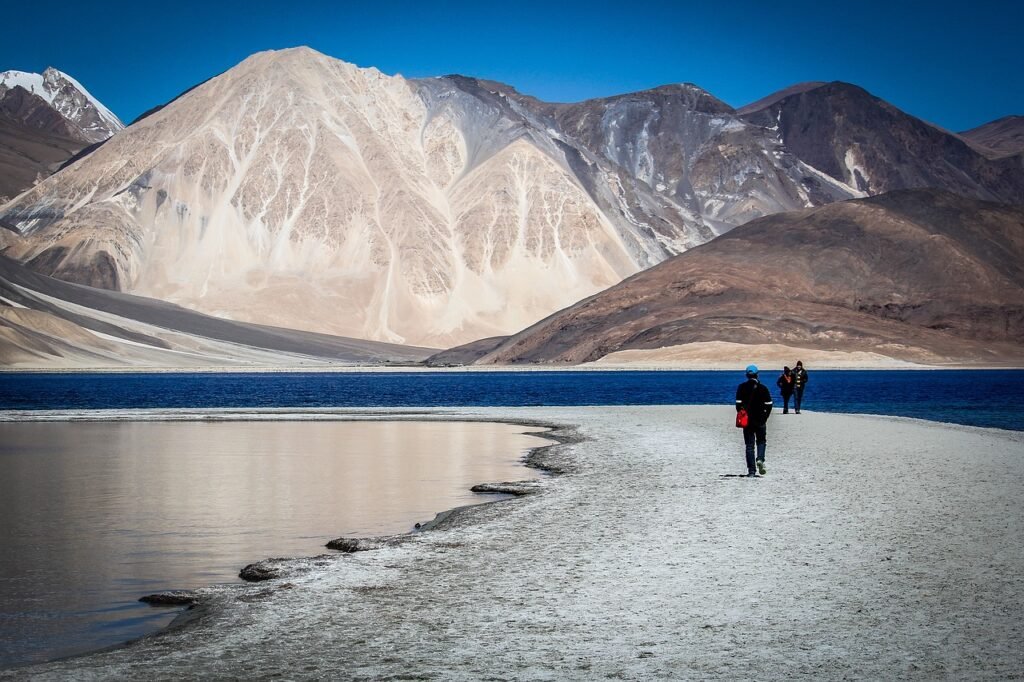
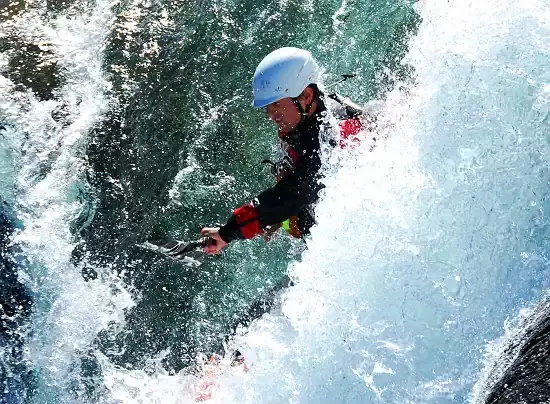
Why Choose Leh Ladakh Tour Packages? Planning a trip to Ladakh is not as simple as packing a bag and boarding a bus. You need to factor in: Permits for border regions Altitude sickness management Route planning & fuel stops Reliable stay options in remote areas Tour packages take care of these logistics, allowing you to focus on what matters most: the experience. Whether you’re traveling solo, with family, as a couple, or in a group, there’s a package designed to match your preferences, budget, and time frame. Top Destinations Covered in Leh Ladakh Tour Packages Most Ladakh packages are designed to cover a combination of iconic spots and hidden gems. Here’s what you can expect: 1. Leh – The Gateway to Ladakh The capital town of Ladakh, Leh is where every journey begins. Situated at an altitude of over 11,000 feet, it offers a perfect introduction to Ladakhi culture and lifestyle. Highlights: Visit the Shanti Stupa for sunrise or sunset views Shop for handicrafts at Leh Market Explore Leh Palace and Stok Palace Acclimatize before heading to higher regions 2. Nubra Valley – The Desert in the Sky Accessible via the thrilling Khardung La Pass (one of the world’s highest motorable roads), Nubra Valley is where you’ll find sand dunes, double-humped camels, and lush villages. Highlights: Ride Bactrian camels at Hunder Visit the stunning Diskit Monastery Camp by the Shyok River Explore remote villages like Turtuk and Panamik 3. Pangong Lake – India’s Most Photographed Lake This ethereal lake, made famous by Bollywood, changes color throughout the day and stretches into Tibet. Highlights: Camp overnight beside the lake Watch the sunrise or stargaze under a clear sky Explore scenic routes via Chang La Pass 4. Tso Moriri – The Hidden Gem Less visited than Pangong, Tso Moriri is a high-altitude lake surrounded by barren hills and remote villages. It’s ideal for those looking for solitude and untouched beauty. Highlights: Bird watching and photography Spot nomadic tribes and their yak herds Explore Korzok Village, one of the highest permanent settlements 5. Magnetic Hill & Sangam Point Located on the Leh-Srinagar highway, Magnetic Hill is where vehicles appear to defy gravity. Nearby is the Sangam, where the Zanskar and Indus Rivers merge – a spectacular sight! Types of Leh Ladakh Tour Packages Depending on your style and goals of travel, tour operators offer a variety of Leh Ladakh packages: ✅ Biking Tours Ladakh is a pilgrimage for bikers. These packages include bike rentals, fuel, backup vehicles, and experienced road captains. Popular Routes: Manali to Leh Srinagar to Leh Leh–Nubra–Pangong–Leh Circuit ✅ Family Tour Packages Specially crafted with comfort, safety, and flexibility in mind, these tours ensure kids and elders enjoy the high-altitude adventure with ease. ✅ Honeymoon Packages Romantic experiences under the stars, cozy campsites by the lakes, and peaceful monasteries – Ladakh is an offbeat but unforgettable honeymoon destination. ✅ Adventure Tours Includes trekking, river rafting, mountain biking, and camping under the stars. Perfect for thrill-seekers. ✅ Luxury Packages Think premium SUVs, boutique hotels in Leh, glamping by Pangong, and private guides. Ideal for travelers who want rugged landscapes with refined service. Duration and Sample Itinerary Here’s what a typical 7N/8D Leh Ladakh Tour Package looks like: Day 1: Arrival in Leh – Acclimatization & local sightseeingDay 2: Leh to Nubra Valley via Khardung La – Overnight stay in NubraDay 3: Nubra to Pangong via Shyok route – Camp at PangongDay 4: Pangong to Leh via Chang La – Return to LehDay 5: Day trip to Magnetic Hill, Sangam, Gurudwara Pathar SahibDay 6: Excursion to Tso Moriri (optional based on time & permit)Day 7: Local exploration & souvenir shoppingDay 8: Departure from Leh Packages can be customized for 5 days to 14 days, based on your availability. Cost Breakdown Tour package prices vary based on season, travel mode, stay type, and group size. Budget Package (5N/6D): ₹18,000 – ₹25,000 per person Standard Package (7N/8D): ₹28,000 – ₹40,000 per person Bike Tour Packages (8N/9D): ₹35,000 – ₹50,000 per person (with rental) Luxury Package: ₹60,000+ per person with 4-star accommodations and private transport Includes hotel/camp stays, transport, permits, and meals. Flights/bikes extra unless specified. Best Time to Visit Leh Ladakh Summer (May to July): Most popular, accessible, and photogenic season Monsoon (August): Green landscapes, but possible landslides – caution advised Autumn (September–October): Clear skies, fewer tourists – ideal for photography Winter (November–March): Only for experienced travelers; chance to do the Chadar Trek Permits and Essentials ILP (Inner Line Permit) is required to visit Nubra, Pangong, and Tso Moriri. Carry valid ID proofs (Aadhar, passport, or voter ID). For foreign nationals, Protected Area Permit (PAP) is mandatory. Mobile network is limited (BSNL and Jio work best). Carry cash – ATMs are rare outside Leh. Altitude sickness is real – acclimatize well and consult a doctor if needed. Travel Tips for Leh Ladakh Don’t rush: Acclimatization is key. Spend at least 24 hours in Leh before venturing higher. Dress in layers: Days are warm, nights are freezing – even in summer. Pack light, pack smart: Sunscreen, lip balm, thermals, medicine kit, and reusable water bottles. Respect the environment: Ladakh is fragile. Avoid plastic, don’t litter, and stick to designated paths. Why Ladakh Is More Than Just a Destination Ladakh is where landscapes speak and silence heals. From chanting monks in 900-year-old monasteries to riding a bike at 18,000 feet, from watching the Milky Way at Pangong to sipping butter tea with locals – every moment in Ladakh becomes a story. Curated Leh Ladakh tour packages ensure you get to experience the beauty, adventure, and spiritual soul of Ladakh – without worrying about the challenges of logistics, permits, or unpredictable roads. Final Thoughts Whether you’re chasing sunsets over Pangong, tracing the Silk Route through Nubra, or meditating in the shadow of a mountain monastery – Ladakh has a way of changing you. So why wait? Choose the package that matches your style and get ready for an adventure of a lifetime.
Uncategorized

Himachal Tour Packages

Explore the Majestic Beauty of the Himalayas with Himachal Tour Packages If there’s one destination in India that perfectly blends adventure, serenity, spirituality, and cultural charm, it’s Himachal Pradesh. Nestled in the lap of the mighty Himalayas, Himachal is a paradise for nature lovers, thrill-seekers, honeymooners, and solo wanderers alike. From snow-capped mountains to dense pine forests, from peaceful monasteries to vibrant hill towns, Himachal Pradesh offers something unique to every traveler. Whether you’re planning your first mountain getaway or are a seasoned traveler looking to explore new trails, curated Himachal tour packages make your journey stress-free, organized, and truly unforgettable. Why Choose a Himachal Tour Package? Himachal is vast. Each region – be it Shimla, Manali, Dharamshala, Spiti, or Dalhousie – has its own flavor. A well-crafted tour package helps you: Save time with pre-planned itineraries. Get the best stays (mountain-view hotels, resorts, or homestays). Travel worry-free with transport, sightseeing, and guides arranged. Explore more within a limited budget and duration. Most importantly, professional tour planners know local weather, road conditions, and the best experiences – helping you avoid tourist traps. Top Destinations Covered in Himachal Tour Packages Let’s dive into the major attractions that are usually included in popular Himachal travel packages: 1. Shimla – The Queen of Hills The capital city of Himachal Pradesh, Shimla is a timeless favorite among tourists. With colonial architecture, buzzing bazaars, and panoramic views, Shimla is perfect for families and couples. Top Experiences: Walk along the historic Mall Road Visit the Jakhoo Temple Explore Kufri for snow fun Enjoy the toy train ride from Kalka to Shimla (UNESCO World Heritage) Best For: Family vacations, honeymooners, quick weekend getaways. 2. Manali – The Adventure Capital Manali is where nature meets thrill. Surrounded by lush valleys, apple orchards, and gushing rivers, it’s a go-to spot for trekking, river rafting, and snow activities. Top Experiences: Drive to Solang Valley for paragliding and skiing Explore the Atal Tunnel and Sissu Valley Take a spiritual break at Hidimba Devi Temple Soak in hot springs at Vashisht Village Best For: Adventure lovers, romantic escapes, backpackers. 3. Dharamshala & McLeod Ganj – The Little Lhasa of India Dharamshala is the spiritual heart of Himachal and the home of the Dalai Lama. A blend of Tibetan culture, lush forests, and serene monasteries make this a peaceful yet enriching destination. Top Experiences: Visit the Namgyal Monastery and Tsuglagkhang Complex Trek to Triund for magical views Stroll through cafes and Tibetan markets Witness cricket with a view at the Dharamshala Cricket Stadium Best For: Spiritual retreats, solo trips, nature lovers. 4. Dalhousie & Khajjiar – Mini Switzerland of India Dalhousie is known for its British-era charm, colonial architecture, and pine-covered hills. A short drive away is Khajjiar, famously called India’s Switzerland due to its grassy meadows and forests. Top Experiences: Visit Panchpula, Satdhara Falls, and St. John’s Church Horse ride in Khajjiar Meadows Enjoy scenic views from Dainkund Peak Best For: Honeymoons, photography tours, relaxing getaways. 5. Spiti Valley – A Desert Mountain Escape For the offbeat traveler, Spiti Valley is a dream. This cold desert terrain offers stark beauty, Buddhist monasteries, and high-altitude adventures. Top Experiences: Visit the ancient Key Monastery Drive through Kunzum Pass and Chandratal Lake Explore tiny villages like Komic, Langza, and Hikkim Camp under the stars Best For: Offbeat travelers, photography, spiritual seekers, bikers. Types of Himachal Tour Packages Tour packages are customizable based on your interests, duration, and travel type. Here are some popular categories: ✅ Family Tour Packages Perfectly balanced with sightseeing, fun activities, and comfortable stays. Destinations: Shimla, Manali, Dalhousie. ✅ Honeymoon Tour Packages Curated romantic experiences including candlelight dinners, mountain-view rooms, and couple activities. Destinations: Manali, Shimla, Khajjiar. ✅ Adventure Packages Ideal for thrill-seekers. Includes paragliding, trekking, camping, skiing, and rafting. Destinations: Manali, Bir Billing, Spiti. ✅ Group Tours or Friends Trips Budget-friendly and packed with fun. Perfect for college or office groups. Destinations: Kasol, Manali, McLeod Ganj. ✅ Luxury Tour Packages Stay in premium hotels, private cabs, gourmet meals, and personalized itineraries. Destinations: Shimla, Dalhousie, Mashobra. ✅ Solo or Backpacker Tours Budget stays, guided treks, and community experiences. Destinations: Dharamshala, Tirthan Valley, Spiti. Best Time to Visit Himachal Pradesh Summer (April to June): Ideal for sightseeing and beating the heat. Monsoon (July to September): Lush beauty but landslide-prone, travel with caution. Autumn (October-November): Great weather, less crowd, golden landscapes. Winter (December to February): Snowfall, skiing, and cozy retreats. Each season offers a different side of Himachal – so plan based on what you want to experience. Budget & Duration Suggestions 3N/4D Shimla Package: ₹10,000 – ₹15,000 per person 5N/6D Manali + Solang Package: ₹18,000 – ₹25,000 per person 7N/8D Himachal Circuit (Shimla, Manali, Dharamshala, Dalhousie): ₹30,000+ 9N/10D Spiti Valley Expedition: ₹40,000 – ₹55,000 per person Prices vary by inclusions, travel season, and group size. Travel Tips for Your Himachal Trip Pack light but warm: Weather can change suddenly. Carry motion sickness meds: Hill roads can be winding. Stay hydrated: High altitudes can lead to dehydration. Respect local culture and environment: Don’t litter, avoid loud music near monasteries and nature spots. Book in advance during peak seasons (May-June and December) to avoid price hikes. Final Thoughts Himachal Pradesh is not just a destination—it’s a feeling. The crisp mountain air, the warmth of locals, the scent of deodar trees, and the thrill of snowflakes on your face make it a place you return to in your memories long after the trip ends. Choosing the right Himachal tour package helps you experience the best of this magical land—comfortably, affordably, and without the stress of planning every detail. So whether you’re dreaming of sipping chai with a mountain view, hiking into the clouds, or simply taking a break from the chaos of daily life—Himachal is calling.

Bali ::Island Of The Goad"
Uncategorized

Bali ::Island Of The Goad”

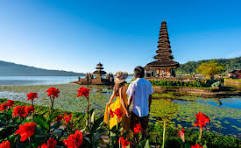
Bali: Island of the Gods – A Journey Into Paradise Hidden away in the vast Indonesian archipelago, Bali is a name that evokes a rush of images: emerald rice paddies cascading down lush hillsides, mystical temples shrouded in incense smoke, and beaches where turquoise waves kiss powdery sand. Nicknamed the “Island of the Gods,” Bali has long held a sacred place in the hearts of travelers, artists, and seekers of beauty and meaning. But what truly makes Bali so magnetic? Why does this small island continue to draw millions of wanderers every year, each searching for something — whether it’s surf, spirituality, or simply a slice of tropical bliss? Let’s dive deep into Bali’s many faces — from its sacred traditions and stunning natural wonders to the vibrant modern culture that keeps the island alive and evolving. A Spiritual Heartbeat Like No Other At the core of  Bali : Island Of The Goad” allure is its spirituality. Unlike the rest of predominantly Muslim Indonesia, Bali is overwhelmingly Hindu. But Balinese Hinduism is unique — an intricate weave of Hindu deities, animist beliefs, and ancient traditions that permeate daily life. This isn’t a religion tucked away inside temples — it’s lived in the open, from dawn till dusk. Walk through any Balinese village, and you’ll find beautifully crafted canang sari — small, square offerings made of palm leaves, flowers, rice, and incense — laid out on doorsteps, shrines, sidewalks, and dashboards of scooters. These humble daily offerings are tokens of gratitude to the gods and spirits, a ritual that balances the energies of good and evil. Bali’s temples, called pura, are living testaments to this devotion. There are thousands scattered across the island — grand sea temples perched on cliffs like Tanah Lot, or the mother temple of Besakih sitting majestically on the slopes of Mount Agung, Bali’s highest and most sacred volcano. Each temple has its own ceremonies and calendar of vibrant festivals that explode with color, music, and dance. The Island’s Natural Masterpieces Beyond its spiritual soul, Bali is a canvas of natural beauty. It’s not just one island — it’s a world within an island. Rice Terraces: Emerald Stairways to Heaven Nothing captures Bali’s timeless charm like its rice terraces. In Tegalalang or Jatiluwih, miles of rice paddies form sculpted green steps that ripple down hillsides. These terraces are masterpieces of the subak system, an ancient irrigation method dating back to the 9th century that is as much about harmony with nature as it is about farming. Farmers tend to the fields barefoot, working with the cycles of water and weather as their ancestors did. Volcanoes & Waterfalls: Adventures in the Highlands Bali’s interior is dominated by a spine of volcanic mountains. Hikers flock to Mount Batur, an active volcano where the reward for a pre-dawn trek is watching sunrise spill golden light over a blanket of mist and crater lakes. Mount Agung, the island’s tallest peak, is both revered and feared — its eruptions a reminder of nature’s raw power. Hidden in the forests are Bali’s waterfalls — secret emerald oases. From the famed Gitgit to the twin drops of Sekumpul, each waterfall invites visitors to cool off, meditate, or simply feel the rush of nature’s force. Beaches for Every Mood No mention of Bali is complete without its beaches. The island’s coastline changes character dramatically: to the south, bustling Kuta Beach draws surfers and partygoers, while the chic sands of Seminyak and Canggu attract digital nomads and sunset chasers. For a slower vibe, head to the east — Amed and Candidasa offer black sand beaches, coral reefs, and tranquil village life. And then there’s the surfing mecca of Uluwatu, where towering limestone cliffs drop dramatically to world-class surf breaks and hidden white-sand coves. It’s here that Bali’s sun-soaked reputation truly comes alive — with iconic beach clubs, clifftop bars, and nightly fire dances at Uluwatu Temple as the sun sinks into the Indian Ocean. Culture & Craft: Where Art Breathes Beyond the scenery, Bali’s heartbeat is its people and their artistry. Balinese culture is a festival of dance, music, and craft that infuses everyday life with beauty. Dance & Drama: Stories in Motion Attend a Balinese dance performance, and you’ll witness centuries-old tales told through hypnotic hand gestures, intricate costumes, and the metallic hum of gamelan orchestras. The Barong Dance depicts the eternal battle between good and evil, while the Kecak Fire Dance, often performed at sunset in Uluwatu, is an unforgettable spectacle of chanting, movement, and flames. Ubud: The Cultural Soul If you want to dive deep into Bali’s creative pulse, head to Ubud — the island’s cultural capital. Surrounded by jungle and rice terraces, Ubud is an artists’ village, wellness hub, and spiritual refuge all rolled into one. Its streets are lined with galleries, craft shops, yoga studios, and cafes serving everything from vegan smoothie bowls to traditional babi guling (suckling pig). Explore Ubud’s markets and you’ll find batik textiles, wood carvings, silver jewelry, and paintings. Each piece tells a story — a glimpse into the soul of a community that has mastered the art of turning everyday objects into expressions of devotion and beauty. Wellness & Transformation: A Retreat for the Soul In recent years, Bali has also become synonymous with holistic wellness and self-discovery. The island’s gentle spirit, warm hospitality, and abundance of healing traditions make it the perfect place to unplug and reconnect. Yoga retreats abound in Ubud and beyond, with studios nestled in rice paddies or perched on jungle cliffs. Meditation, sound healing, detox cleanses — Bali’s wellness scene is as varied as the seekers it attracts. It’s not unusual to find travelers who came for a week and stayed for months, drawn in by the island’s transformative energy. A Taste of Bali: Feasting for the Senses No journey to Bali is complete without savoring its culinary delights. Traditional Balinese food is a feast of bold flavors, fresh herbs, and fragrant spices. Start with nasi campur — a plate

Vietnam : Timeless Charm
Uncategorized

Vietnam : Timeless Charm

Vietnam Unveiled : Timeless Charm A Journey Through Culture, Cuisine, and Untamed Beauty When you think of Southeast Asia, your mind might first wander to Thailand’s beaches or Bali’s resorts — but for true adventurers and culture seekers, Vietnam is a country that never fails to surprise. It’s a place where emerald rice paddies meet bustling cities, ancient temples hide in misty mountains, and street food reigns supreme. If you’ve ever dreamed of a destination that fuses raw natural beauty with vibrant culture and a fascinating history, Vietnam : Timeless Charm should be at the very top of your list. Why Vietnam Captivates Every Traveller Vietnam is a tapestry of contrasts: old and new, bustling and serene, traditional yet rapidly modernizing. You can sip strong Vietnamese coffee in a trendy Ho Chi Minh City café in the morning and find yourself kayaking through the otherworldly limestone karsts of Ha Long Bay by sunset. The country stretches over 1,000 miles from north to south, each region offering unique dialects, customs, and culinary treasures. What makes Vietnam  Timeless Charm truly special is its people — resilient, warm, and endlessly welcoming. Despite a turbulent past marked by colonization and war, Vietnam today is energetic and forward-looking. The Vietnamese spirit is one of pride and hospitality, and visitors quickly feel it in every small village and big city alike. Exploring the North: Misty Mountains and Ancient Capitals Vietnam  Timeless Charm Begin your journey in Hanoi, the thousand-year-old capital where French colonial architecture rubs shoulders with ancient temples and buzzing markets. The Old Quarter is a maze of narrow streets packed with scooters, street vendors, and cafés serving up the famous egg coffee — a rich concoction of strong coffee topped with whipped egg yolk and sweetened condensed milk. From Hanoi, it’s an easy trip to the UNESCO World Heritage site of Ha Long Bay. Cruising through this surreal seascape of emerald waters and limestone islands is an experience you won’t soon forget. Many travelers opt for an overnight boat tour, where you can swim, kayak into hidden caves, and watch the sun set behind jagged cliffs. For those seeking adventure off the beaten path, head north to Sapa, a mountain town known for its terraced rice fields and ethnic minority villages. Trekking through the misty valleys, you’ll encounter communities like the Hmong and Dao, who still wear traditional dress and live according to ancient customs. Spend a night in a homestay to fully appreciate the warmth and simplicity of life here. Central Vietnam : Timeless Charm Imperial Cities and Coastal Charm Central Vietnam is where history and natural beauty collide. The city of Hue was once the imperial capital of the Nguyen Dynasty and remains a treasure trove of palaces, pagodas, and royal tombs. Walk along the Perfume River and explore the majestic Imperial City — its moats, gates, and citadels offer a glimpse into Vietnam’s regal past. A few hours south lies Hoi An, arguably Vietnam’s most charming town. With its lantern-lit streets, well-preserved ancient houses, and riverside cafés, Hoi An feels like a step back in time. Tailors here are famous for custom-made clothes — you can have a perfectly fitted suit or dress stitched in just 24 hours. Hoi An is also a food lover’s paradise; don’t miss local specialties like cao lau noodles and white rose dumplings. Not far from Hoi An is Da Nang, a coastal city known for its long stretches of sandy beaches and the iconic Marble Mountains. Adventure seekers can hop on a motorbike and ride the Hai Van Pass, a winding coastal road offering breathtaking views of the ocean and jungle-clad mountains — it’s one of the most scenic drives in Vietnam. Southern Vietnam: Urban Energy and Tropical Wonders The south of Vietnam is anchored by Ho Chi Minh City (formerly Saigon), a dynamic metropolis where modern skyscrapers tower over French-era buildings and buzzing street markets. Visit the War Remnants Museum for a sobering look at the country’s recent history, then dive into the present-day chaos at Ben Thanh Market, where you can shop for everything from spices to souvenirs. Street food here is legendary — don’t leave without trying banh mi, a crispy baguette sandwich stuffed with meats, pickled vegetables, and herbs. Another must-try is com tam (broken rice with grilled pork), a staple for hungry locals at lunchtime. A few hours from the city lies the Mekong Delta, Vietnam’s lush “rice bowl.” Life here flows with the river — colorful floating markets, stilt houses, and fertile orchards define the region. Take a boat ride through narrow canals shaded by coconut palms and watch farmers and fishermen go about their daily routines. Staying overnight in a delta homestay is a beautiful way to see a softer, more tranquil side of Vietnam. Vietnam’s Cuisine: A Flavor Adventure Vietnamese cuisine is a major reason why travelers fall in love with this country. It’s fresh, fragrant, and full of contrast — think crunchy and soft, sweet and salty, hot and cool. Each region has its specialties, and sampling them all is half the fun. In the north, you’ll find hearty dishes like pho bo (beef noodle soup), often eaten for breakfast on tiny plastic stools by the roadside. Central Vietnam’s cuisine is spicier and more complex; dishes like bun bo Hue (spicy beef noodle soup) pack a punch of lemongrass and chili. The south leans towards sweeter flavors — hu tieu (clear noodle soup) and fresh spring rolls are light, delicious, and perfect in the tropical heat. Don’t miss Vietnamese coffee culture. From street corner stalls to sleek cafés, coffee is everywhere — robust and often served iced with sweetened condensed milk. If you’re feeling adventurous, try ca phe sua da (iced milk coffee) or the famous egg coffee in Hanoi. Practical Tips for Traveling in Vietnam Timeless Charm When to go: Vietnam’s climate varies widely by region. The north is best from October to April when it’s cool and dry. Central Vietnam shines from February to

Spiti Valley : "An Offbeat Adventure”
Uncategorized

Spiti Valley : “An Offbeat Adventure”

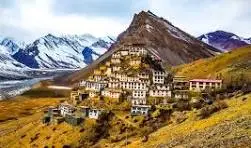
Craving an offbeat Himalayan adventure? Then the places to visit in Spiti Valley : “An Offbeat Adventure” will steal your heart. Tucked away in Himachal Pradesh, this cold desert is raw, rugged, and spectacular — a high-altitude world where ancient monasteries cling to cliffs, turquoise rivers carve deep gorges, and remote villages feel frozen in time. If you’re looking for wild beauty and pure solitude, the places to visit in Spiti Valley will exceed your wildest expectations. “Hidden Himalayan Gem: 10 Stunning Places to Visit in Spiti Valley : “An Offbeat Adventure” If there’s a place that feels like stepping onto another planet, it’s Spiti Valley : “An Offbeat Adventure”. Nicknamed “Middle Land,” this remote cold desert in Himachal Pradesh is sandwiched between India and Tibet, giving it a raw, mystical charm unlike anywhere else. Stark mountains, ancient monasteries, fossil-laden villages, and the warmth of its hardy people make the places to visit in  Spiti Valley : “An Offbeat Adventure” truly unforgettable. Whether you crave wild adventures, soul-soothing silence, or ancient culture, these places to visit in Spiti Valley deliver it all — and then some. 1️⃣ Key Monastery – Crown Jewel of Places to Visit in Spiti Valley : “An Offbeat Adventure” No trip is complete without visiting Key Monastery — the largest and most iconic of all places to visit in Spiti Valley  “An Offbeat Adventure”. Perched dramatically at 13,668 feet, Key (or Ki) Monastery has stood for over a thousand years as a fortress of Tibetan Buddhism. Its whitewashed walls and prayer flags cling to a hill above the Spiti River, offering views so breathtaking you’ll lose track of time. Sit with the monks during prayer, wander through its narrow halls filled with ancient murals, or sip butter tea in the kitchen. Here, time slows down — and so does your heartbeat. 2️⃣ Kaza – Heartbeat of All Places to Visit in Spiti Valley Kaza isn’t just a stopover — it’s the vibrant hub that connects all other places to visit in Spiti Valley  “An Offbeat Adventure” This lively town is the base for bikers, backpackers, and curious wanderers. Recharge in cozy cafés, refuel your bike, stock up on Maggi noodles and chocolates, or trade stories with fellow travelers under starlit skies. If you visit during the Spiti festival season, you might even catch local dance and music shows that add a splash of color to the cold desert. 3️⃣ Kibber Village – High Life & Rare Wildlife At 14,200 feet, Kibber is one of the highest motorable villages in the world, making it one of the most unique places to visit in Spiti Valley  “An Offbeat Adventure”. Kibber is known for its stunning views, stone houses, and its gateway to spotting the elusive snow leopard in winter. Wildlife enthusiasts and photographers flock here for snow leopard expeditions, Himalayan blue sheep sightings, and dramatic hikes to nearby peaks. 4️⃣ Chicham Bridge – Defying Heights When listing places to visit in Spiti Valley, the Chicham Bridge must be on it. At 13,596 feet, it’s Asia’s highest suspension bridge — an engineering marvel suspended over a gorge so deep it’ll make your knees wobble. Standing here, you’ll see how tiny you are among Spiti’s towering mountains. 5️⃣ Langza – The Fossil Village Langza is quiet, mystical, and easily one of the most photogenic places to visit in Spiti Valley  “An Offbeat Adventure” Guarded by a giant Buddha statue looking over the valley, Langza is famous for its marine fossils — millions of years ago, this high-altitude desert was underwater! Walk around the rolling hills, chat with locals, and try your luck at finding ammonite fossils — but remember, leave them where you find them. 6️⃣ Hikkim – Send Postcards from the Top Ever wondered where the world’s highest post office is? It’s in Hikkim, one of the quirkiest places to visit in Spiti Valley. At 14,567 feet, this tiny post office still hand-stamps postcards that travel down winding roads to reach your friends and family. Drop one in, and imagine it journeying across mountains and valleys to deliver your love from the rooftop of India. 7️⃣ Komik – Living at the World’s Highest Komik is another gem among places to visit in Spiti Valley — proudly calling itself the highest village in the world connected by a motorable road. Life here is slow, simple, and stunning. Visit the 14th-century Tangyud Monastery, sip chai with locals, or just breathe in thin, crisp air as you soak up the views of endless Himalayan peaks. 8️⃣ Pin Valley National Park – Wild Heart of Spiti Valley  “An Offbeat Adventure” Pin Valley is the green secret tucked into the starkness of Spiti — a paradise for wildlife lovers and trekkers alike. As one of the most untouched places to visit in Spiti Valley  “An Offbeat Adventure”, it’s home to snow leopards, Himalayan ibex, and rare birds. Villages like Mudh — the last motorable village in Pin — feel timeless. Here’s your one longer paragraph: Picture this — you’re trekking in Pin Valley, surrounded by pink buckthorn bushes and icy streams. Wildflowers bloom in impossible colors against gray hills. Shepherds guide flocks along ancient trails. At night, you camp under a blanket of stars so clear you’ll swear you can hear them twinkle. Pin Valley is not just scenery — it’s an invitation to slow down, listen, and let nature fill the silence. 9️⃣ Dhankar Monastery & Lake – A Cliffhanger Wonder Dhankar is another must on your list of places to visit in Spiti Valley. The monastery, perched precariously on a cliff at 12,774 feet, overlooks the meeting point of the Spiti and Pin Rivers. Once the seat of the Spitian king, its location is both dramatic and meditative. If you’re up for it, hike 1.5 km uphill to the hidden Dhankar Lake — a sparkling gem surrounded by rugged cliffs and solitude. 🔟 Tabo Monastery – Living History End your journey through the best places to visit in Spiti Valley at Tabo Monastery, often called

“Leh, the Switzerland of India"
Uncategorized

“Leh, the Switzerland of India”

“Leh, the Switzerland of India” If there’s one destination that should be on every traveler’s bucket list, it’s Leh. Nestled high in the Ladakh region of India, Leh is a dreamland where rugged mountains, ancient monasteries, turquoise lakes, and dramatic valleys create a surreal canvas.“Leh, the Switzerland of India” Whether you’re an adventure junkie, a cultural explorer, or someone seeking solitude, the places to visit in Leh “Leh, the Switzerland of India”. In this guide, discover the 10 best places to visit in Leh — each one a story, an experience, and a memory in the making. 10 Best Places to visit in Leh : 1️⃣ Pangong Tso – The Crown Jewel Among Places to Visit in Leh If there’s a poster image for Leh, it’s Pangong Lake, locally called Pangong Tso. Stretching across India and into China, this mesmerizing lake is about 134 km long and sits at an altitude of 14,270 feet. What makes Pangong one of the most iconic places to visit in Leh is its magical color-changing waters — one moment they’re deep blue, the next a shade of green or even grey, reflecting the shifting sky. When you stand by Pangong’s shores, surrounded by barren brown hills and snow-draped peaks, time seems to stop. Many travelers camp overnight to catch the sunrise and stargaze under the clear Ladakhi skies. Don’t forget to sip a warm cup of tea from the tiny stalls near the lake — the simple things here feel extraordinary. 2️⃣ “Leh, the Switzerland of India” Nubra Valley – A Desert Between Mountains Nubra Valley is hands down one of the most dramatic places to visit in Leh. It’s where lush greenery, rocky mountains, and a cold desert collide to form otherworldly scenery. The journey to Nubra takes you over Khardung La, once claimed as the world’s highest motorable road, at 18,380 feet. As you descend into Nubra, you’ll see the landscape shift from rugged brown mountains to the famous white sand dunes of Hunder. Here, you can ride a Bactrian camel — a double-humped species found mostly in Central Asia — across sand dunes that look like they belong in Arabia, not the Himalayas. The Diskit Monastery, with its towering Maitreya Buddha statue, is another highlight that makes Nubra Valley one of the must-visit places to visit in  “Leh, the Switzerland of India” 3️⃣ Magnetic Hill – Experience Nature’s Illusion Among the quirky places to visit in Leh, Magnetic Hill is one of the most talked-about. Just 30 km from Leh town, this spot defies logic — or so it seems. Park your vehicle at the marked spot, put it in neutral, and watch as it slowly starts rolling uphill, seemingly pulled by a mysterious magnetic force. Of course, it’s an optical illusion created by the surrounding slopes, but that doesn’t stop travelers from experiencing the fun. Combine your stop at Magnetic Hill with a visit to the nearby Gurudwara Pathar Sahib and the Indus-Zanskar river confluence for a perfect half-day trip. 4️⃣ Thiksey Monastery – Ladakh’s Mini Potala Thiksey Monastery is one of the grandest places to visit in Leh, perched on a hilltop about 20 km from the town. Resembling Tibet’s Potala Palace, this 12-story monastery is an architectural wonder housing numerous stupas, statues, and beautiful murals. Inside, the 49-foot-high Maitreya Buddha statue steals the show. Arrive early to witness the morning prayer ceremony — the rhythmic chants and beating drums echo through the halls, transporting you to another era. The panoramic view of the Indus Valley from Thiksey Monastery is the perfect bonus. 5️⃣ Khardung La Pass – Conquer the Heights Adventure seekers know Khardung La well. Riding through this pass is a rite of passage for bikers exploring places to visit in  “Leh, the Switzerland of India” At over 18,000 feet, oxygen is scarce, the wind is biting, and the feeling is exhilarating. The snow-dusted peaks and winding roads make every twist and turn an adrenaline rush. It’s not just about the pass — the route opens up gateways to Nubra and Shyok valleys. Just remember to acclimatize properly before heading to Khardung La to avoid altitude sickness. 6️⃣ Shanti Stupa – Peace with a View One of the most serene places to visit in Leh, Shanti Stupa stands proudly on a hilltop overlooking the town. Built by Japanese monks to promote world peace, this white-domed stupa offers panoramic views of Leh, the surrounding mountains, and the Indus Valley below. The real magic happens at dawn and dusk when golden light bathes the snow-clad peaks. Many travelers hike up the stairs in the early morning to meditate or simply soak in the silence. Whether you’re spiritual or not, Shanti Stupa’s calm energy is impossible to ignore 7️⃣ Hemis Monastery – Culture Comes Alive Hemis Monastery is the largest monastery in Ladakh and one of the liveliest places to visit in Leh. It’s renowned for the annual Hemis Festival, a vibrant celebration that draws travelers from around the world. Masked dancers whirl in colorful silk robes, sacred rituals unfold, and the monastery’s courtyards come alive with drums and trumpets. Even if you visit outside the festival, Hemis’ ancient murals, Buddhist relics, and the massive statue of Guru Padmasambhava make it a fascinating stop. 8️⃣ Zanskar Valley – Raw Himalayan Majesty Zanskar Valley feels like Leh’s wilder sibling — remote, rugged, and spectacular. For thrill-seekers, this is one of the most untamed places to visit in Leh. Winter turns the Zanskar River into a frozen highway for the famous Chadar Trek, where trekkers walk for days on thick ice surrounded by dramatic gorges. In summer, the valley blooms with wildflowers, and the turquoise river is perfect for white-water rafting. Visiting Zanskar means disconnecting from the world and reconnecting with raw Himalayan beauty. 9️⃣ Tso Moriri – Ladakh’s Hidden Gem Tso Moriri is often overshadowed by Pangong, but for those who crave solitude, it’s among the most peaceful places to visit in “Leh, the Switzerland of India” Located in the remote Changthang

“Leh, the Switzerland of India"
Uncategorized

Leh: Where Earth Meets the Sky- A Paradise for Every Traveller

Hidden away in the far reaches of northern India, Leh is not just a destination — it’s an experience that stays etched in the heart forever. Nestled at an altitude of around 11,500 feet above sea level, Leh is the crown jewel of Ladakh, a region known for its stark landscapes, dramatic mountains, ancient monasteries, and an unmatched sense of serenity. Leh: Where Earth Meets the Sky- A Paradise for Every Traveller For travellers seeking adventure, culture, or just a break from the ordinary, Leh is where you find nature’s grandest canvas unfolding before your eyes. A Landscape Like No Other The very first glimpse of Leh is unforgettable. As your flight weaves through the clouds, you witness snow-capped peaks piercing the clear blue sky, winding rivers tracing silver ribbons through barren mountains, and quaint villages that look like dots in a vast expanse. The dramatic terrain is raw, rugged, and mesmerizing. There is a rare beauty in its barren mountains — shades of brown, grey, and gold come alive when sunlight plays on the slopes. One of the most surreal experiences is driving through the high-altitude passes like Khardung La — once known as the highest motorable road in the world. The winding roads flanked by walls of snow and the panoramic view from the top make the journey as spectacular as the destination itself. Pangong Lake, another gem near Leh: Where Earth Meets the Sky is one of the most photographed places in India — its turquoise waters change hues with the changing sun, set against the backdrop of stark brown mountains. It’s hard to believe such colors can exist in a desert landscape. Where Culture Breathes Through Stones  Leh: Where Earth Meets the Sky- A Paradise for Every Traveller Leh is not just about breathtaking vistas — it’s also a place steeped in history and spirituality. The town is dotted with ancient Buddhist monasteries that stand as silent witnesses to centuries gone by. Thiksey Monastery, Hemis Monastery, and Spituk Monastery are architectural marvels perched on hilltops, offering sweeping views of the valleys below. Inside, the prayer halls are filled with the fragrance of incense, the rhythmic chants of monks, and ancient thangkas that tell stories of Buddhist lore. Leh Palace, a nine-storey structure reminiscent of Tibet’s Potala Palace, overlooks the town like a timeless guardian. Walking through its narrow corridors and wooden balconies, you can almost hear echoes of the Namgyal dynasty that ruled the region centuries ago. An Adventurer’s Playground For thrill-seekers, Leh is nothing short of paradise. The rugged terrain offers endless opportunities for adventure — from trekking through high-altitude passes like Markha Valley and Stok Kangri, to river rafting in the icy waters of the Zanskar River. Mountain biking on some of the world’s highest roads, or taking a thrilling ride on a Royal Enfield through mountain passes — the sense of freedom is unmatched. Winter brings an entirely different challenge — the famous Chadar Trek, where trekkers walk over the frozen Zanskar River, is one of the most unique trekking experiences in the world. The Warmth of the People Despite its harsh climate and rugged geography, Leh’s true warmth comes from its people. Ladakhis are known for their simple living, infectious smiles, and deep-rooted traditions. Stay in a local homestay and you’ll be welcomed with butter tea, home-cooked meals, and heartwarming stories about life in the mountains. Travellers often find themselves bonding over cups of steaming tea, under a starlit sky that feels so close you can almost touch it. A Responsible Traveller’s Dream ( A Paradise for Every Traveller) In recent years, Leh has also become a beacon for sustainable and responsible tourism. Many guesthouses and homestays are solar-powered, plastic use is discouraged, and locals actively work to preserve the fragile ecosystem. Travellers are encouraged to respect the environment — carry back their waste, save water, and tread lightly. This conscious approach ensures that Leh’s pristine beauty can be passed on to future generations. When to Visit While Leh is open to tourists from May to September, each season paints it in a different light. Summer brings pleasant weather, blooming flowers, and easy access to high passes. Autumn turns the valleys into shades of gold and rust. Winter, though harsh, shows Leh’s raw, untouched beauty under blankets of snow — a sight reserved for those who dare to brave the cold. In the End Whether you’re an adventurer, a culture enthusiast, a photographer, or a seeker of peace — Leh promises to be more than just a destination. It’s a place where you stand under a million stars, watch the mountains change color with the sun, listen to chants echoing through ancient monasteries, and feel a silence so profound that it speaks to you. So, pack your bags, leave your worries behind, and let Leh show you how beautiful the world — and life — can truly be.

Uncategorized

what is social media?

Social media refers to digital platforms and websites that allow people to create, share, and exchange information, ideas, interests, and content — often in real-time — with others online. In simple words: social media is where people connect and communicate on the internet. 📱 Examples of Social Media Platforms Facebook — Connect with friends, share updates, photos, and join groups. Instagram — Share photos, videos, and stories; popular for visual content. Twitter (X) — Post short updates (tweets), share news, and follow trends. LinkedIn — A professional network for career connections, jobs, and industry news. YouTube — Share and watch videos on every topic imaginable. TikTok — Create and watch short, entertaining videos. 🎯 What Makes Social Media ‘Social’? Unlike traditional media (TV, newspapers, radio), social media is interactive. Users are not just passive readers or viewers — they actively create and comment on content. This two-way communication is what makes it social. 🌍 How People Use Social Media People use social media to: Stay in touch with friends and family Share photos, videos, and life updates Follow celebrities, brands, and influencers Discover news and trends Learn new skills and ideas Promote businesses, products, or services Build communities around hobbies or causes   🔑 Why It Matters Social media has changed how we communicate, do business, and even how news spreads. It’s a tool for connection — but it also shapes opinions, drives trends, and influences culture worldwide. In short:

Uncategorized

Coffee or chai which is better ?

Few debates spark as much passion as the one between coffee lovers and chai enthusiasts. Both drinks are deeply woven into cultures worldwide, fueling mornings, sparking conversations, and offering comfort in a cup. But if we must pick a side — is coffee truly the king of beverages, or does chai deserve the crown? Let’s dive deep into the taste, health benefits, cultural significance, and lifestyle appeal of both to find out which is best — at least for you. coffe or chai which is better☕ The Rise of Coffee: More Than Just a Drink Coffee is more than a beverage; it’s an experience. For millions, the day doesn’t truly start until they’ve had that first aromatic cup. Whether it’s a quick espresso shot, a frothy cappuccino, or a cold brew, coffee culture is global and ever-evolving. What makes coffee special? Energy Boost: Coffee’s main ingredient, caffeine, is a powerful stimulant that blocks adenosine, the neurotransmitter that makes you feel tired. This is why coffee is the go-to drink for students cramming for exams, professionals powering through deadlines, and anyone who needs a quick pick-me-up. Ritual & Community: Cafés have become modern social hubs. From local coffee shops to big chains like Starbucks, the ‘coffee run’ is a ritual that brings people together. Variety: Coffee is incredibly versatile — brewed black, blended with milk, sweetened with syrups, iced, or spiked with spices — there’s a version for every palate. 🍵 The Magic of Chai: Comfort in a Cup Now, let’s talk about chai. While the word ‘chai’ simply means ‘tea’ in Hindi and many other languages, it’s more than just tea leaves in hot water. Indian masala chai, for instance, is a flavorful blend of black tea, milk, sugar, and spices like ginger, cardamom, cloves, and cinnamon. Why does chai have a cult following? Warmth & Wellness: The spices in chai are not only delicious but also have health benefits. Ginger aids digestion, cardamom freshens breath and helps with detoxification, cinnamon helps control blood sugar — the list goes on. Slower Sip: Unlike the jolting caffeine hit of coffee, chai provides a gentler lift. It’s soothing and calming, perfect for sipping slowly while unwinding. Tradition: In India and many other parts of Asia, chai is deeply tied to hospitality and warmth. A cup of chai is offered to guests, shared among friends, and enjoyed on rainy afternoons. ☕ vs 🍵 — The Taste Test When it comes to flavor, both drinks offer unique profiles. Coffee has a bold, bitter, sometimes acidic taste that can be nutty, chocolaty, fruity, or earthy, depending on the bean and roast. Serious coffee drinkers often love this complexity and nuance. Chai is richer and creamier, thanks to the milk, with layers of sweet and spicy notes that make each sip a hug in a cup. If you prefer something robust and strong, coffee might win. But if you like warmth, spice, and comfort, chai takes the trophy. Health Check: Which is Better for You? This is where things get interesting. ✅ Coffee Benefits: Boosts alertness and concentration. Rich in antioxidants. May lower risk of certain diseases like Parkinson’s, Alzheimer’s, and Type 2 diabetes (in moderation). 🚫 Coffee Drawbacks: Too much can cause jitters, anxiety, or insomnia. Can lead to acidity or digestive issues for some people. ✅ Chai Benefits: Spices have anti-inflammatory and immunity-boosting properties. Lower caffeine content compared to coffee. Black tea is also rich in antioxidants. 🚫 Chai Drawbacks: Often made with a lot of sugar — a typical roadside ‘chai’ in India is very sweet. Some pre-packaged chai mixes use artificial flavors or too much sugar. So, if health is your top priority, moderate consumption of either is fine. Just watch the sugar in your chai and the caffeine in your coffee. The Lifestyle Factor Your choice might also depend on your lifestyle and how you like to enjoy your drink. On the Go: Coffee is easy to grab and drink on the move. Busy office-goers, students, and travelers love it for this reason. Mindful Moments: Chai is best enjoyed slowly, ideally while chatting with friends, reading, or watching rain splash against the window. It’s less about the rush and more about the ritual. Cultural Power Did you know coffee fueled the Enlightenment? Coffeehouses in 17th-century Europe were called ‘penny universities’ because people from all walks of life gathered to exchange ideas. Today, café culture still represents creativity, community, and innovation. Chai, meanwhile, is the heart of the Indian subcontinent’s daily life. From roadside ‘chaiwalas’ to luxurious tea rooms, chai breaks connect colleagues, neighbors, and strangers alike. It’s democratic, inclusive, and comforting. Sustainability & Ethics Modern drinkers also care about where their beverage comes from. Coffee production has faced criticism for unsustainable farming and unfair labor practices. Thankfully, ethical sourcing and fair-trade coffee brands are on the rise. Chai’s sustainability depends on the tea industry and the dairy supply chain. Loose-leaf tea from ethical plantations is generally better for the planet than overly processed tea bags. Many tea estates in India are now focusing on organic and fair-trade practices too. So… Coffee or Chai? When it comes down to it, there’s no universal winner — it’s all about what you need in the moment. If you crave energy, focus, and a bold taste, coffee is your best friend. If you want warmth, comfort, and a touch of spice, chai is the way to go. In many households, you’ll find both side by side. Morning coffee for that caffeine kick. Evening chai for winding down. Some even mix it up — ever tried a dirty chai? It’s chai with a shot of espresso — the best of both worlds! Final Sip At the end of the day, both coffee and chai bring people together, warm our hands and hearts, and add small moments of joy to our routines. So the next time someone asks, “Coffee or chai — which is best?” you can smile and say, “Why not both?” Which one’s your

Uncategorized

Why Local Knowledge Makes All the Difference When You Travel

When you dream of your next trip, you probably picture stunning sights, delicious food, and unique experiences. But how do you find those authentic moments — the ones you can’t Google in five minutes? The answer: local expertise. 🗺️ More Than Just a Booking — It’s Insider Access A good travel agency does more than book your flights and hotels. They open doors that most tourists don’t even know exist. Local knowledge means knowing: Which streets have the tastiest hidden food stalls. Which viewpoints are worth waking up at 5 AM for. Which local festivals are a must-see — and how to experience them like a local, not a bystander. ✅ Avoid the Tourist Traps It’s easy to fall into tourist traps — overpriced restaurants, crowded spots, generic experiences that feel the same wherever you go. When you travel with the guidance of local experts, you skip the lines and the gimmicks and get straight to the real heart of a place. 🤝 Connections That Money Can’t Buy Local travel partners have built relationships over years — with trusted guides, family-run guesthouses, local artists, chefs, and communities. This means you get access to unique activities you simply won’t find on big travel booking sites. Want to spend a day cooking with a local family in Tuscany? Or have a private wildlife guide in a national park? Or explore ancient ruins before the crowds arrive? Local experts make it happen. 💡 Travel With Confidence When you’re far from home, having people on the ground who know the place inside out gives you peace of mind. Whether it’s finding the best route during bad weather, knowing which areas to avoid, or getting help in an emergency — you’re never alone. ✨ Experience More With [Your Agency Name] At [Your Travel Agency Name], we believe travel is about stories you’ll tell for a lifetime — not stress and second-guessing. Our local experts and trusted partners help you discover destinations the way they’re meant to be seen: authentically, safely, and memorably. Ready to plan your next adventure with real insider knowledge?👉 Get in touch with us today — and let’s turn your travel dreams into reality. 1: Why should I use a travel agency instead of booking everything online myself?A: While it’s possible to book flights and hotels online, a trusted travel agency gives you local insider knowledge, unique experiences, and 24/7 support — things that generic booking sites simply can’t offer. Q2: How does local expertise improve my travel experience?A: Local experts know the best places to eat, hidden gems, authentic activities, and cultural events that typical tourists often miss. You get to experience a destination like a local — not just as a visitor. Q3: Do travel agencies charge extra for local guidance?A: Not always. In many cases, travel agencies have special deals and partnerships that can actually save you money. Plus, you get added value like personalized itineraries, local guides, and support at no extra cost. Q4: What happens if something goes wrong during my trip?A: One of the biggest advantages of booking with a travel agency is 24/7 support. If your flight is delayed, you miss a connection, or plans need to change, your agency is just a call away to handle the logistics for you. Q5: Can you customize my trip based on my interests?A: Absolutely! Our travel experts work with you to design a trip that matches your style — whether you want adventure, relaxation, local food experiences, or off-the-beaten-path exploring. Q6: What types of destinations do you specialize in?A: We plan trips all over the world, with local partners who provide authentic experiences in each destination. Whether you’re dreaming of Europe, Asia, Africa, or hidden gems closer to home — we can help. Q7: How do I get started?A: It’s easy! Just contact us here or fill out our quick inquiry form. One of our travel experts will reach out to learn about your dream trip and help you plan every detail.

Scroll to Top